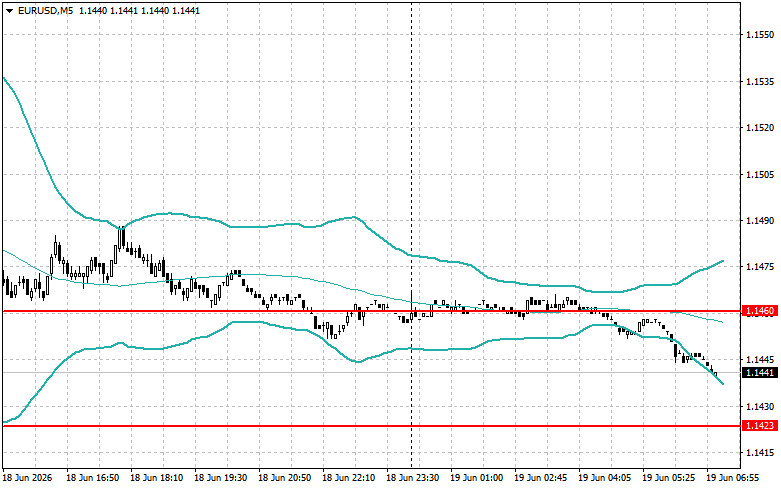
The traders have finally realized that the U.S. Federal Reserve, under the leadership of new Chair Kevin Warsh, is no longer in a joking mood.
The Fed's hawkish policy threatens to trigger a new bullish breakout in the U.S. dollar, significantly outweighing the dampening effect of the U.S.-Iran deal. Against the backdrop of recent Fed statements signaling continued tight monetary policy, the U.S. dollar is showing signs of a potential bullish breakout. These signals are becoming increasingly evident, as the Fed appears intent on raising interest rates more aggressively over an extended period to combat inflation.
On the one hand, any agreement capable of easing tensions between the U.S. and Iran could exert a restraining effect on the dollar by lowering energy prices and reducing geopolitical risks. However, in the current context, this effect is expected to be minor compared to the strength that Fed policy could provide to the dollar. Higher borrowing costs in the U.S., resulting from the tightening of monetary policy, make American assets more attractive to global investors, stimulating capital inflow and consequently strengthening the dollar.
Today's release of data on Germany's producer price index, although anticipated with increased interest, is unlikely to serve as a locomotive for strengthening the euro. Traditionally, strong wholesale inflation figures are viewed as a precursor to possible monetary policy tightening by the central bank. However, the European Central Bank already reacted last week, and in the current context, even a positive deviation from economists' average forecasts could be overshadowed by a broader range of macroeconomic factors.
Even if the producer price index shows unexpectedly positive dynamics, the market will likely view this as a temporary phenomenon or as a signal that producers are attempting to pass rising costs on to consumers.
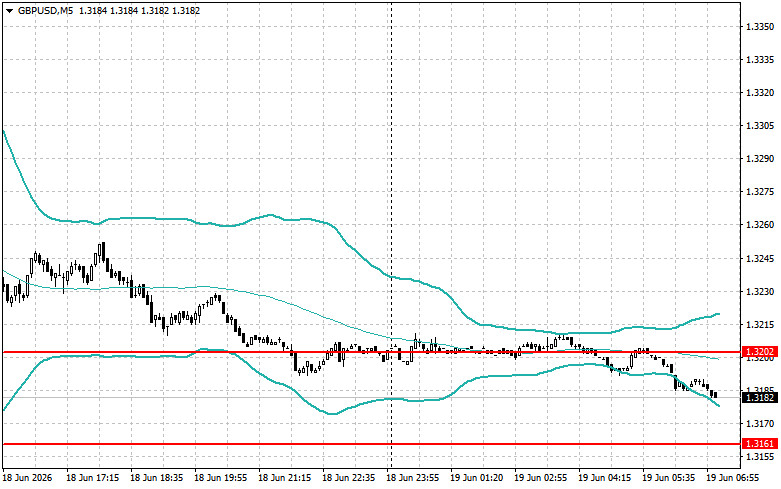
As for the pound, data on UK retail sales is expected to be released. This data will serve as a key factor in determining the short-term direction of the GBP/USD pair. Weak figures indicating a slowdown in consumer demand may heighten concerns regarding the state of the British economy and negatively impact the British pound. In such a scenario, a decline in GBP/USD is likely to accelerate, as traders may prefer to secure their positions in safer assets.
Equally important is the data on the net amount of borrowed funds from the public sector. An increase in the budget deficit or an unexpectedly high level of debt may raise concerns about the UK's fiscal stability. This, in turn, could lead to a sell-off of British bonds and consequently weaken the national currency.
If the data aligns with economists' expectations, it is better to act based on the Mean Reversion strategy. If the data is significantly above or below economists' expectations, then the Momentum strategy is the most appropriate choice.

LINKS RÁPIDOS
ForexMart is authorized and regulated in various jurisdictions.
(Reg No.23071, IBC 2015) with a registered office at First Floor, SVG Teachers Co-operative Credit Union Limited Uptown Building, Corner of James and Middle Street, Kingstown, Saint Vincent and the Grenadines
Restricted Regions: the United States of America, North Korea, Sudan, Syria and some other regions.





 Contate-nos