Akcie Banco BPM (BIT:BAMI) ve středu klesly o více než 2 % poté, co UniCredit v úterý stáhla svou dobrovolnou veřejnou nabídku na výměnu všech kmenových akcií banky s odkazem na nevyřešené regulační překážky související s italskými pravidly „zlaté pravomoci“.
UniCredit uvedla, že své rozhodnutí učinila poté, co se jí nepodařilo získat nezbytné povolení Golden Power, jehož vzdání se banka výslovně odmítla.
Podle prohlášení bránilo vedení BPM UniCredit v přímém jednání s akcionáři BPM tím, že trvalo na uplatnění ustanovení Golden Power.
Nedostatek dialogu s akcionáři znemožnil posoudit hodnotu navrhované fúze nebo prozkoumat přijatelné podmínky.
UniCredit zaznamenal pokrok v jednáních s Regionálním správním soudem (TAR), Generálním ředitelstvím pro hospodářskou soutěž Evropské komise a italskou vládou.
Uvedl však, že lhůta pro vyřešení otázky „zlaté pravomoci“ se prodloužila nad termín pro podání nabídky a dokonce i nad termín pozastavení nabídky oznámený CONSOB.
UniCredit při stažení nabídky označil neúspěšný proces za překážku nejen pro akcionáře BPM, ale i pro konsolidaci italského finančního sektoru.
„Spojení UniCredit a Banco BPM by přineslo obrovskou přidanou hodnotu pro všechny zúčastněné strany. Zmařený proces nabídky a pokračující nejistota učinily tuto situaci neudržitelnou,“ uvedl ve svém prohlášení předseda představenstva UniCredit Pietro Carlo Padoan.
Generální ředitel Andrea Orcel dodal: „Pokračující nejistota ohledně uplatnění předpisů týkajících se „zlaté pravomoci“ není prospěšná pro žádnou ze stran,“ a zdůraznil, že stažení nabídky bylo zaměřeno na ochranu akcionářů UniCredit.
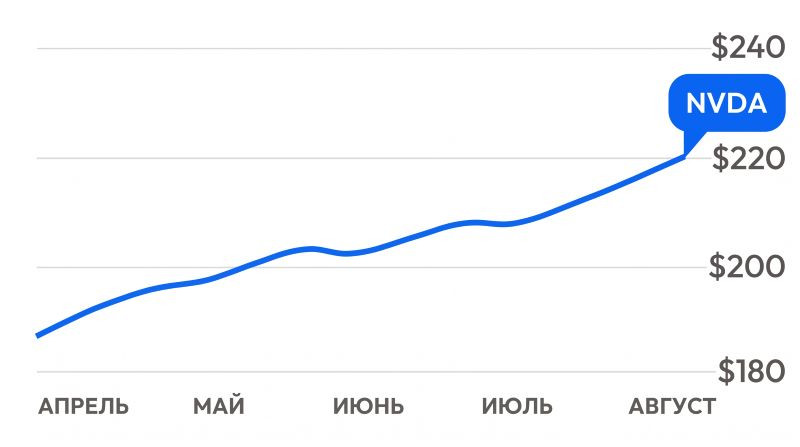
The company reported a record quarterly revenue of $96.2 billion, exceeding analysts' forecasts of $92.2 billion, marking a 106% year-over-year increase. The data center chips segment generated a record $89 billion, reflecting a 117% annual gain. Earnings per share came in at $2.22, surpassing expectations of $2.10.
The company's management provided strong guidance for the future, forecasting third-quarter revenue between $105.8 billion and $110.2 billion. Chief Financial Officer Colette Kress stated that revenue is expected to grow by 70% in the 2028 fiscal year, while market experts projected only 44% growth. CEO Jensen Huang noted that the infrastructure for artificial intelligence has entered a phase of direct profitability, with total spending by tech corporations on data centers set to rise from $800 billion this year to $1.3 trillion next year.
Additional support for the stock price came from new contracts and product launches. Nvidia entered into an agreement with Amazon to supply 2 million graphics processors by 2028. Analyst Ming-Chi Kuo announced the relaunch of the specialized Rubin CPX chip, designed for initial processing of user queries before generating responses. Production of the chip is set to begin in the first quarter of 2027, in the form of standalone server racks. Against this backdrop, investment banks have sharply raised their price targets for Nvidia shares: Raymond James expects $515, Evercore ISI forecasts $465, Bernstein sets a target of $400, and Morgan Stanley targets $300 per share.
Despite record profits and optimistic forecasts, the company's stock faces significant risks:
Nvidia's stock dynamics through the end of 2026 are expected to evolve in two phases influenced by seasonal factors and corporate reports.
In September 2026, stock prices will be pressured by profit-taking from large funds and overall market weakness. High interest rates and the risks of new tariffs will limit the influx of fresh capital. During this period, a decline in share prices from the current $220.78 to a support range of $200–$210 is likely. Investors should not expect a swift rise to analysts' targets of $300 until the market navigates through the seasonal wave of selling.
Recovery will begin in the fourth quarter of 2026. The demand for next-generation Vera Rubin and Rubin CPX chips is fully backed by the budgets of tech giants totaling $1.3 trillion. The agreement with Amazon and the stabilization of memory supplies will allow the company to maintain revenue growth rates above 70%. After completing the September correction, Nvidia shares are expected to return to growth, finishing 2026 in the $250–$270 range.

SZYBKIE LINKI
ForexMart is authorized and regulated in various jurisdictions.
(Reg No.23071, IBC 2015) with a registered office at First Floor, SVG Teachers Co-operative Credit Union Limited Uptown Building, Corner of James and Middle Street, Kingstown, Saint Vincent and the Grenadines
Restricted Regions: the United States of America, North Korea, Sudan, Syria and some other regions.


 Skontaktuj się z ForexMart