Generální ředitel OpenAI Sam Altman vyjádřil souhlas s optimistickým pohledem generálního ředitele Nvidia (NASDAQ:NVDA) Jensena Huanga na umělou inteligenci a zaměstnanost, čímž vyvrátil obavy z rozsáhlého propouštění.
Altman na X uvedl, že souhlasí s „mnohým z toho, co Jensen řekl o AI a pracovních místech“, a zdůraznil, že „na světě je spousta práce“. Jeho komentáře jsou v souladu s nedávným prohlášením Huanga pro Axios ze 14. července 2025, ve kterém šéf Nvidie předpověděl, že AI vytvoří „mnohem více a kvalitnějších pracovních míst“.
Výkonný ředitel OpenAI nastínil tři klíčové předpovědi ohledně budoucí pracovní síly: lidé budou díky zvýšeným schopnostem a očekáváním dosahovat lepších výsledků než dříve, budou i nadále cenit lidské vztahy a přínos a budou motivováni tvorbou a službou druhým. Tento pohled kontrastuje s varováním generálního ředitele společnosti Anthropic Daria Amodeiho, že AI by mohla během několika let eliminovat polovinu pracovních míst pro začínající kancelářské pracovníky.
Altman naznačil, že budoucí zaměstnání by mohlo podle dnešních standardů připomínat hry, ale pro pracovníky by zůstalo smysluplné, a tuto změnu přirovnal k tomu, jak minulé generace vnímaly moderní zaměstnání. Zdůraznil, že sázet proti lidské touze po materiálních statcích, soutěžení o status a kreativnímu vyjádření „je vždy špatná sázka“.
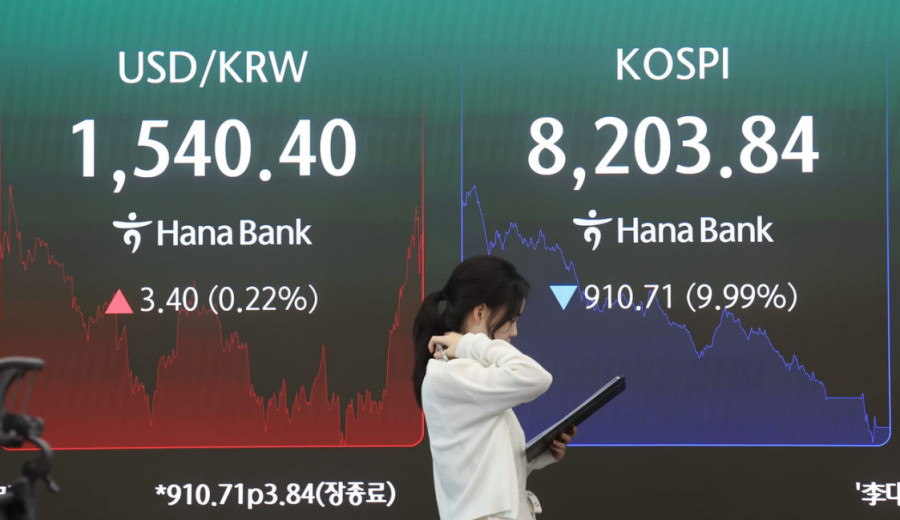
Asian markets showed mixed dynamics on Tuesday, with South Korea's KOSPI and Japan's Nikkei 225 eventually losing ground despite a powerful overnight rally on Wall Street, where the Dow Jones closed at a record high. Investors continue to debate whether massive investments in artificial intelligence will deliver expected returns, amplifying volatility in semiconductor and technology-related sectors.
The KOSPI initially surged by 2.1% right after the opening bell but later reversed course to fall by 1.1%, reflecting market indecision regarding AI-related company prospects. The session revealed persistent nervousness around valuations of such assets, recalling the sharp sell-off in chipmaker stocks in July. Samsung Electronics and SK Hynix, meanwhile, stabilized after significant losses in the previous session.
Taiwan's benchmark index delivered the day's best performance, soaring by 7.63% to close at 43,093.09 points. Australia's S&P/ASX 200 gained 1.03% to reach 9,111.9 points, approaching its all-time high on gains in banking, healthcare, and lithium producers. Hong Kong's Hang Seng fell by 0.5%, while the Shanghai Composite was virtually unchanged.
Japan's Nikkei 225 declined by 0.8% amid a bond futures rout, as an auction of 10-year government bonds drew the weakest demand since May 2025, pushing yields higher and pressuring the index.
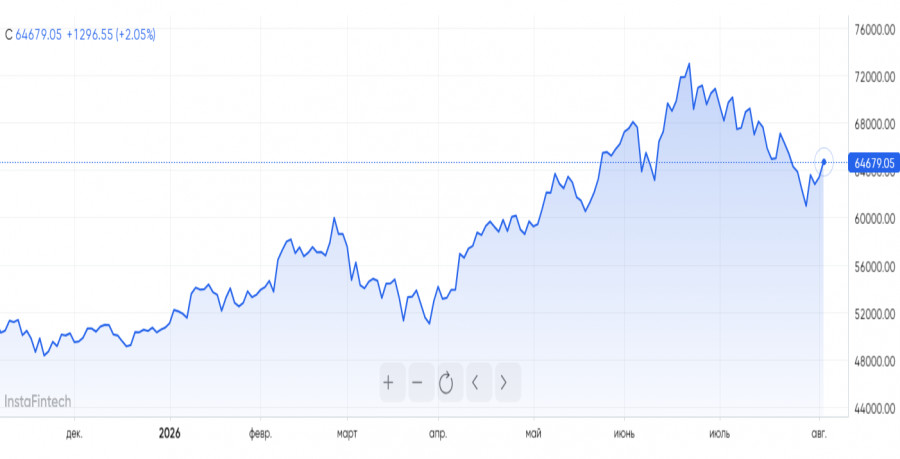
The backdrop for the Asian session was set by a strong night on Wall Street, where Monday saw the S&P 500 rise by 1.5%, closing in on its record high, while US manufacturing data showed business activity in July growing at its fastest pace in over four years.
Palantir Technologies shares surged by 14% in after-hours trading after the company raised its revenue and profit guidance. Meanwhile, Amazon shares fell in after-hours trading following Chairman Jeff Bezos' announcement of plans to sell some shares, despite the company's market capitalization reaching $3 trillion during Monday's session.
Markets also tracked the oil market, where prices stabilized after Monday's sharp drop when Donald Trump announced the cancellation of a planned strike on Iran as a goodwill gesture, though Tehran rejected any negotiations. Brent crude edged higher to around $84 per barrel after falling to a three-week low.
Investor attention now shifts to SpaceX's first earnings report as a public company on Tuesday and to key US nonfarm payrolls data due Friday.
According to Billy Leung, a senior investment strategist at Global X Management, investors are essentially waiting for data that will provide clearer direction on interest rates, rather than reacting to rhetoric.

SZYBKIE LINKI
ForexMart is authorized and regulated in various jurisdictions.
(Reg No.23071, IBC 2015) with a registered office at First Floor, SVG Teachers Co-operative Credit Union Limited Uptown Building, Corner of James and Middle Street, Kingstown, Saint Vincent and the Grenadines
Restricted Regions: the United States of America, North Korea, Sudan, Syria and some other regions.


 Skontaktuj się z ForexMart