Agentura Moody’s Ratings potvrdila rating společnosti BlackRock (NYSE:BLK), Inc. v kategorii senior unsecured Aa3 a změnila výhled z negativního na stabilní po dokončení akvizice společnosti HPS Investment Partners společností BlackRock.
Ratingová agentura dnes potvrdila, že dlouhodobý a krátkodobý rating emitenta BlackRock zůstává na úrovni Aa3 a P-1. Moody’s rovněž potvrdila rating nezajištěných seniorních dluhopisů (P)Aa3, podřízených dluhopisů (P)A1, preferovaných dluhopisů (P)A2 a preferovaných nekumulativních dluhopisů, jakož i rating komerčních papírů P-1.
Změna výhledu odráží pokrok společnosti BlackRock v integraci nedávných akvizic, včetně Global Infrastructure Partners (akvizice v říjnu 2024) a Preqin (akvizice v březnu 2025), spolu se strategickými výhodami, které se očekávají od akvizice společnosti HPS, která byla dnes uzavřena.
Agentura Moody’s vyjádřila větší důvěru v to, že po uzavření transakce s HPS klesne míra zadluženosti společnosti BlackRock pod hranici 1,5x, která je spouštěcím faktorem pro snížení ratingu. Ratingová agentura jako přispívající faktory uvedla silný organický růst společnosti v uplynulém roce a příznivý vývoj na trhu.
Díky akvizici HPS bude BlackRock spravovat soukromé dluhy v hodnotě přibližně 190 miliard dolarů, čímž se zařadí mezi pět největších soukromých úvěrových společností na světě. Toto rozšíření posiluje konkurenční pozici společnosti BlackRock na trzích soukromých úvěrů, zejména u pojišťovacích klientů a v kanálech soukromého majetku.
Od akvizice společnosti GIP oznámila společnost BlackRock iniciativu v oblasti infrastruktury umělé inteligence v hodnotě 30 miliard dolarů s Microsoftem (NASDAQ:MSFT), MGX a dalšími partnery. Mezitím je společnost Preqin integrována do technologických a datových podniků společnosti BlackRock s cílem zlepšit portfoliové řešení pro klienty.
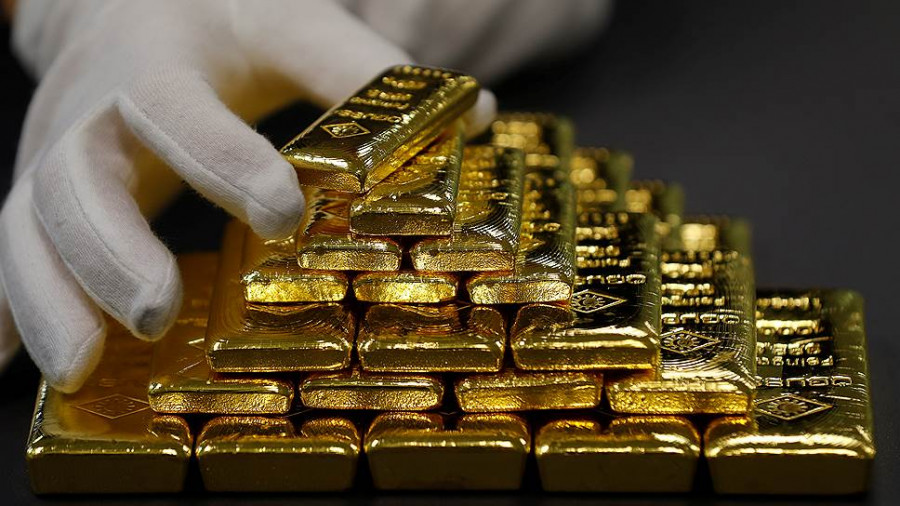
Gold has gained approximately 0.8% and is trading around $4,538 per ounce, nearly recovering losses from the previous session. The recovery was prompted by a decline in oil prices following yesterday's sharp spike—through this channel, the war in the Middle East impacts gold the most.
The underlying mechanics are well known: when oil prices rise, inflation expectations strengthen, interest rates rise, and gold prices fall—and vice versa. It is now evident that gold will continue to fluctuate in this manner, influenced by the interplay of "inflation – interest rates – yields – dollar." This is why the metal, traditionally considered a safe haven during crises, has lost about 14% of its value since the war began.
The diplomatic backdrop still lacks clarity. Trump stated that negotiations with Iran are proceeding "at a rapid pace," contradicting yesterday's threats from Tehran to halt diplomacy and completely close the strait. However, on the same day, Trump and Netanyahu presented fundamentally different accounts of a phone conversation about the situation in Lebanon, further illustrating how muddled the negotiation landscape remains. It is worth noting that Trump has yet to approve the 60-day ceasefire agreement.
The Lebanese issue is becoming an increasingly serious obstacle to overall resolution. Iran insists that the cessation of hostilities between Hezbollah and Israel must be part of any final deal, whereas Washington and Tel Aviv view these two tracks as separate. This divergence creates a situation in which progress on the Hormuz Strait does not necessarily lead to progress on the broader resolution.
It should be noted that the current cycle of negotiations has lasted for several weeks, and the market is beginning to lose patience. Each time a promising headline appears, it is followed by either a new strike, a denial from Tehran, or silence from Washington. Trump is pressuring for acceleration—partly due to domestic political pressures ahead of the midterm elections in November, where high gasoline prices could cost Republicans dearly. However, this pressure may force him to accept an agreement that proves to be insufficiently tough on the nuclear issue—leading to renewed opposition from Republican hawks. This political stalemate does not have an obvious resolution at present.
Silver is up 2.2% today, reaching $76.51, notably outperforming gold. Platinum and palladium are also in positive territory.
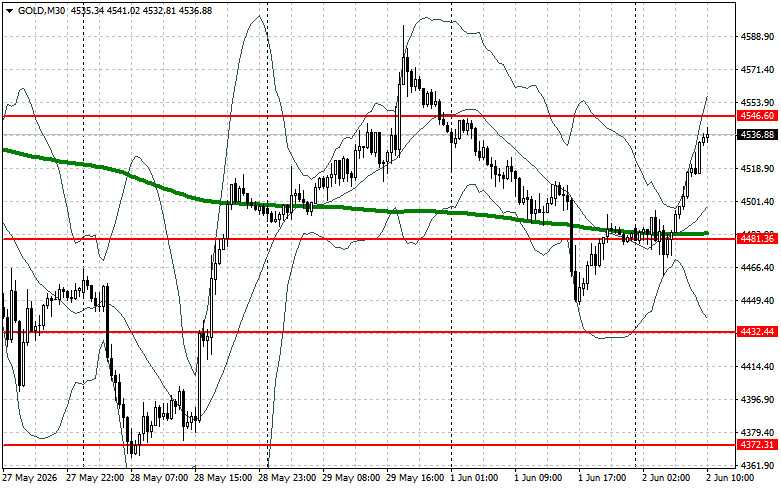
Regarding the current technical picture for gold, buyers need to reclaim the nearest resistance at $4,546. This will allow them to target $4,607, a level that will be quite challenging to break above. The farthest target will be around $4,656. In the event of a decline, bears will aim to take control at $4,481. If successful, breaking this range will deliver a serious blow to the bulls' positions, sending gold down to a low of $4,432 with the prospect of falling to $4,372.
ForexMart is authorized and regulated in various jurisdictions.
(Reg No.23071, IBC 2015) with a registered office at First Floor, SVG Teachers Co-operative Credit Union Limited Uptown Building, Corner of James and Middle Street, Kingstown, Saint Vincent and the Grenadines
Restricted Regions: the United States of America, North Korea, Sudan, Syria and some other regions.





 コンタクトする