Veřejný konflikt mezi Elonem Muskem a Donaldem Trumpem nabral v posledních dnech na intenzitě a zároveň vyvolal otázky ohledně budoucnosti značky Tesla.
V jádru sporu stojí odvážné rozhodnutí Elona Muska, který se začal distancovat od Trumpa a hnutí MAGA, což znamená zásadní obrat ve veřejném profilu nejen jeho samotného, ale i společnosti Tesla. Tento krok přichází v době, kdy Tesla čelí negativnímu vnímání veřejnosti a jejím akciím se na trhu nedaří tak, jak by si investoři přáli.
Zatímco média věnovala pozornost přestřelce plné osobních výpadů, v pozadí se odehrává hlubší změna. Musk obvinil Trumpa, že tají kompromitující informace o zesnulém finančníkovi Jeffrey Epsteinovi, což vzbudilo pozornost nejen v amerických médiích, ale i na mezinárodní scéně. Tento výrok, pronesený bez předložení důkazů, doplnil atmosféru napětí mezi dvěma nejviditelnějšími postavami americké politiky a byznysu.
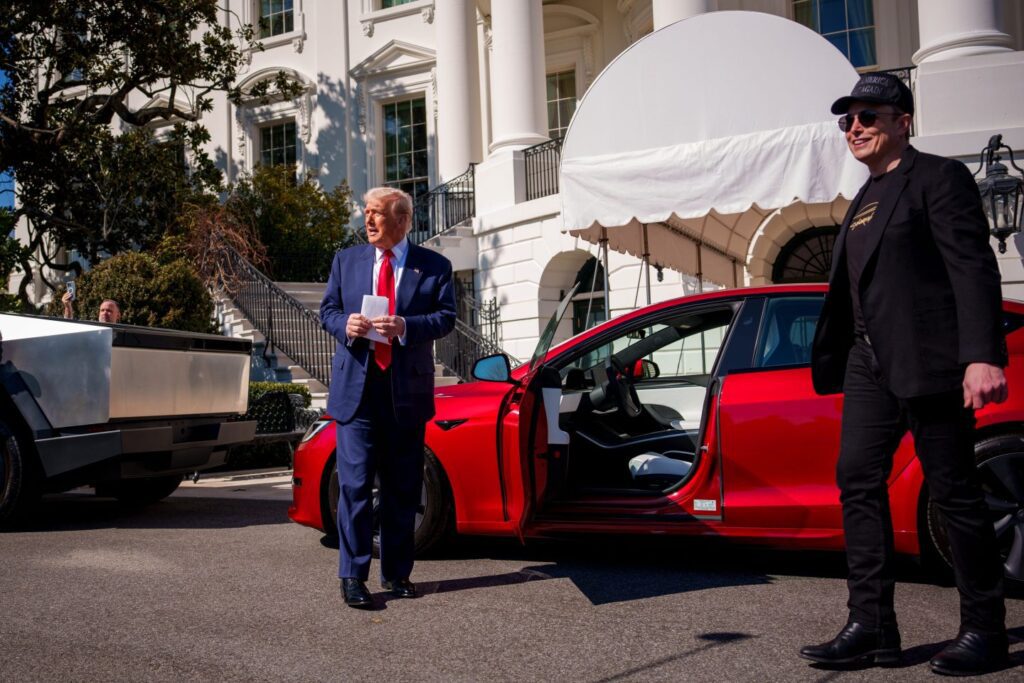
Elon Musk podle některých analytiků neměl jinou možnost, než začít budovat odstup od Trumpa, jehož popularita je sice silná, ale polarizující. Spojení s Trumpem bylo pro Teslu značně problematické. Jeden z průzkumů ukázal, že dvě třetiny Američanů by si nekoupily vůz značky Tesla (TSLA), což ukazuje na vážný zásah do vnímání značky. V Evropě, kde je trh s elektromobily rovněž klíčový, může být situace ještě horší.
Podle nové zprávy od Electric Vehicle Intelligence Report má Tesla mezi spotřebiteli čistou oblíbenost -9 %, což znamená, že více lidí ji hodnotí negativně než pozitivně. Oproti tomu tradiční automobilky jako Honda (HMC) a Toyota (TM) se pohybují okolo +40 %. Co je důležitější – Teslu provází nejen negativní hodnocení, ale i silné emoce, což je pro značku dlouhodobě škodlivé.
Další výzkum ukázal, že 40 % majitelů vozů Tesla v USA uvedlo nějakou formu poškození vozu, a třetina z nich zvažuje jeho prodej. To vytváří nejen riziko poklesu loajality zákazníků, ale i tlak na další pokles hodnoty značky.
Značka Tesla se navíc potýká i s narůstajícím tlakem ze strany investorů. Představenstvo společnosti obdrželo kritický dopis od institucionálních investorů, který by v jiných dobách pravděpodobně vedl k rezignacím. Místo toho se zdá, že někteří členové vedení začali prodávat akcie a opce. Podle údajů Verity Data prodali členové představenstva od prezidentských voleb akcie v hodnotě 672 milionů dolarů.
Na burze mezitím Tesla ztrácí půdu pod nohama vůči svému čínskému konkurentovi BYD (BYDDY), který operuje pod heslem „Build Your Dreams“. Zatímco akcie Tesly od začátku roku poklesly o 24 %, BYD zaznamenala nárůst o 49 %. Kdo by začátkem roku vsadil na BYD místo Tesly, mohl by mít nyní téměř dvojnásobek investice. Je příznačné, že tento trend se kryje s obdobím, kdy se Musk začal silně identifikovat s hnutím MAGA.
BYD dnes vyrábí více elektromobilů než Tesla a přitom má násobně nižší tržní hodnotu – pouhých 84 miliard dolarů oproti více než bilionu dolarů u Tesly. To je 18násobek předpokládaného zisku pro BYD, zatímco Tesla je stále oceněna na 130násobek. Pro investory je to jasný signál k zamyšlení nad tím, jaké valuace jsou dlouhodobě udržitelné.
Všechny výše zmíněné faktory přispěly k tomu, že akcie Tesly během uplynulého týdne ztratily až 18 % své hodnoty, i když později část ztrát smazaly. Od vrcholu loni na podzim, kdy euforie po Trumpově zvolení vrcholila, se však akcie nacházejí o třetinu níž. I přes pokles zůstává valuace firmy extrémně vysoká.
Muskovo gesto vůči Trumpovi – veřejný rozchod a dokonce i konfrontace – může být v tomto kontextu vnímáno jako snaha zachránit image značky. Je možné, že s postupem času bude veřejnost opět vnímat Teslu jako technologického lídra bez politických vazeb. Také je možné, že si investoři uvědomí, že propojení s kontroverzními politickými figurami má svou cenu – a že značka, která dlouhodobě stavěla na inovacích a vizi, nemůže riskovat další erozi důvěry.
Důležité je, že konflikt s Trumpem nezůstane bez následků. Trump pohrozil Muskovi zrušením federálních zakázek, což by – pokud by k tomu skutečně došlo – mělo přímý dopad na byznys Tesly ve Spojených státech. Vzhledem k tomu, že šlo o přímou reakci na Muskovo vyjádření, jedná se o potenciálně ústavně problematický krok ze strany prezidenta.
Otázkou nyní je, zda se Muskovi podaří tuto turbulentní fázi využít ke skutečné změně pozice značky. Pokud ano, může to být důležitý zlom v příběhu Tesly. Pokud ne, může aktuální roztržka představovat začátek trvalého odklonu zákazníků i investorů.
The euro/dollar pair is trading in a zone of price turbulence. Yesterday, sellers pushed EUR/USD to a four-month low at 1.1505, but buyers then seized the initiative, and the session closed at 1.1612.
Risk assets enjoyed renewed interest on the back of stabilizing oil and seemingly conciliatory remarks by Donald Trump, who hinted that the Middle East war could soon end. Though that claim is highly questionable, market participants were, as the saying goes, willing to be reassured. De-escalatory messages were taken at face value, while opposing signals (which we will discuss below) were largely ignored.
The result is a treacherous and even dangerous situation for EUR/USD buyers: verbal peacemaking may collide with harsh reality.
So, what did Trump actually say? He declared that the United States was close to accomplishing its objectives in Iran and that, therefore, the war in the region was almost over.
That rhetoric surprised markets because only recently reports suggested the president was considering a ground operation and that the conflict could stretch at least until September. Mr. Trump has repeatedly hinted at a potential change of regime in Iran in favor of a government more amenable to Washington and has urged Iranians to take their country back.
Yet the United States' public stance has become more cautious. White House and Pentagon officials have stated the operation is not a regime-change war but pursues narrower goals — which they say are nearly achieved: degrading Iran's missile capabilities, weakening military infrastructure, and preventing Tehran from obtaining nuclear weapons.
In short, Mr. Trump has made clear he wants a quick victory, not a protracted ground war. The market welcomed that interpretation, and risk appetite—including for the euro—rose.
But there is an important factor. Iran has directly contradicted Mr. Trump's claims. Representatives of the IRGC said their hands are unbound to expand the war, and that they will decide when the conflict ends. In confirmation of that stance, Iranian forces struck the Harir military base in Iraqi Kurdistan overnight. According to Der Spiegel, Iran also launched rockets at the Al-Azraq airbase in Jordan, where US and German forces are stationed. In addition, Iran continues to launch daily missile strikes at Israel.
Another crucial point is the unresolved situation in the Strait of Hormuz. Yesterday, the IRGC said it would allow passage through the strait only to countries that expel US and Israeli envoys. President Trump, in turn, warned that the United States would strike Iran twenty times stronger if Tehran takes any action to stop the flow of oil through the strait.
Can one speak of de-escalation in those conditions? Based on market reaction, traders are pricing in a near-term end to the war, but the news flow so far indicates the opposite.
In my view, the key indicator of genuine de-escalation will be an actual reopening of the Strait of Hormuz. Only then could one speak of true oil market stabilization. At present, the correction is largely driven by verbal "injections" of optimism.
Bloomberg reports that Saudi Arabia has cut output by 2.0–2.5 million barrels per day, Iraq by almost 3 million barrels, the UAE by 500–800 thousand barrels, and Kuwait by roughly 500 thousand. Production cuts across the Middle East are intensifying as the Strait of Hormuz remains effectively paralyzed.
Mr. Trump's threats to force the strait open remain rhetorical for now, but if enacted, they could reignite the escalation with all attendant consequences.
Analysts at The Wall Street Journal argue that both Trump and Iran misjudged the course of the conflict: US strikes did not topple the Iranian regime or produce a Venezuela-style outcome, while Iranian strikes on neighboring countries did not compel those governments to pressure Washington into accepting Iran's terms. According to the Journal, this has produced a perpetually expanding conflict with no obvious exit in sight.
Thus, in my view, the recent rise in EUR/USD looks premature and largely priced in advance. If hopes for a rapid de-escalation prove unfounded, markets will react in reverse: the dollar will regain safe-haven demand, and EUR/USD will come under renewed pressure.
Therefore, despite the brisk, seemingly unbroken uptick, it is prudent to maintain a cautious stance on the pair in light of bellicose IRGC statements, the de facto blockade of the Strait of Hormuz, and continued Iranian strikes on US (and now German) military sites and oil infrastructure.
Tactical outlook: Use any corrective northward retracement in EUR/USD to consider short positions with targets at 1.1600 and 1.1550 (the lower Bollinger Band on the H4 chart).
ForexMart is authorized and regulated in various jurisdictions.
(Reg No.23071, IBC 2015) with a registered office at First Floor, SVG Teachers Co-operative Credit Union Limited Uptown Building, Corner of James and Middle Street, Kingstown, Saint Vincent and the Grenadines
Restricted Regions: the United States of America, North Korea, Sudan, Syria and some other regions.





 আমাদের সাথে যোগাযোগ করুন